

Description
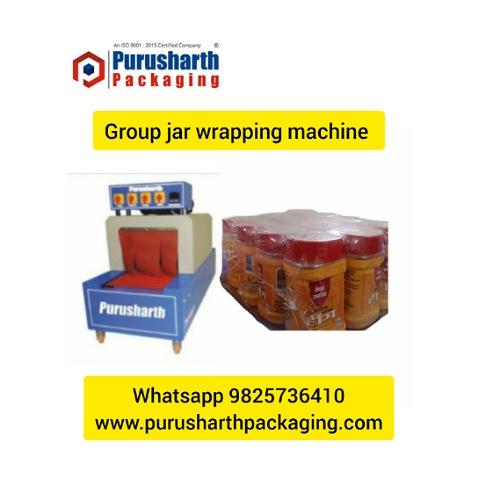
Product details
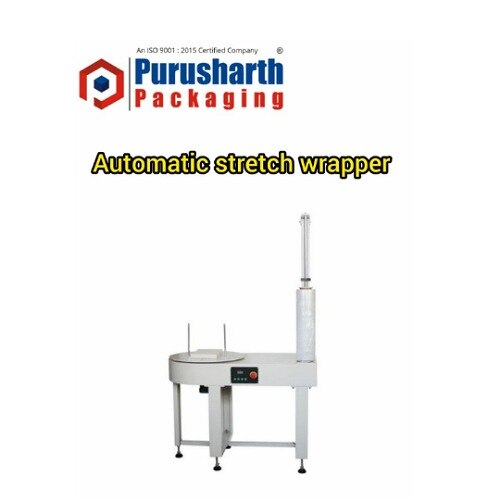
Features Stretch Film Roll: The machine uses rolls of stretch film, which is a plastic film that stretches and wraps tightly around the product or pallet. Turntable or Conveyor System: Many stretch machines feature a rotating turntable or a conveyor belt that moves the product into position for wrapping. The turntable is common in rotary machines, while conveyor systems are used in more automated setups. Film Carriage: The component that holds and feeds the stretch film. It usually includes a pre-stretch mechanism that stretches the film to enhance its strength and wrapping efficiency. Control Panel: Allows operators to set various parameters such as film tension, wrap speed, number of wraps, and wrap height. This ensures the wrapping process meets specific requirements. Stretching Mechanism: Some machines have built-in pre-stretching mechanisms that stretch the film before it is wrapped around the product. This reduces film usage and improves the wrapping quality. Film Cutter: An integrated or separate component that cuts the film at the end of the wrapping cycle. Height Sensors: In automated machines, sensors detect the height of the load to ensure the film wraps the entire product appropriately. Frame and Structure: The machine’s frame is typically made of metal and designed to support the wrapping process while ensuring stability and durability. Functionality Loading: Place the product or pallet on the machine’s turntable or conveyor system. Ensure it is properly positioned for wrapping. Adjusting Settings: Set the desired parameters on the control panel, including film tension, wrap speed, and the number of layers or wraps. Wrapping: Start the machine. If it’s a turntable model, the turntable rotates while the film carriage wraps the film around the product. In conveyor models, the product moves through the wrapping area while the film is applied. Cutting: Once the wrapping cycle is complete, the film is cut by the machine’s cutter, and the film is sealed. Unloading: Remove the wrapped product or pallet from the machine, ready for storage or transportation. Types of Stretch Machines Manual Stretch Wrappers: Operated by hand, these are suitable for low-volume or small-scale applications. The user manually wraps the film around the product. Semi-Automatic Stretch Wrappers: Combine manual loading with automated wrapping. The operator places the product on the turntable, and the machine performs the wrapping. Automatic Stretch Wrappers: Fully automated systems that handle the entire wrapping process, including loading, wrapping, and unloading. These are ideal for high-volume operations and continuous production lines. Rotary Arm Stretch Wrappers: Feature a rotating arm that wraps the film around stationary products. This type is useful for wrapping irregularly shaped items or those that cannot be placed on a turntable. Orbital Stretch Wrappers: Use a rotating ring to wrap products as they move through the machine. This design is suitable for wrapping long or tall items. Benefits Protection: Ensures products are secured and protected from damage, dust, and moisture during transport and storage. Efficiency: Automates the wrapping process, reducing labor costs and increasing throughput. Cost-Effective: Reduces the amount of stretch film needed through pre-stretching, optimizing material usage. Versatility: Suitable for wrapping a wide range of products, including pallets, boxes, and irregularly shaped items. Stretch machines are essential for businesses that require efficient and reliable packaging solutions to handle large volumes of products and ensure their safe delivery.